When Are Green Beans Ready To Pick? [Easy Way]
![When Are Green Beans Ready To Pick? [Easy Way]](/wp-content/uploads/2021/03/when-are-green-beans-ready-to-pick-00.webp)

About the Author: Jeremy Starke
I've been growing vegetables since I was 12 — over 30 years in the dirt. I share what actually works in my own Zone 6b garden, and what I wish someone had told me when I started.
Zone 6b · North Carolina · Gardening since age 12Whether you call them snap beans, long beans, string beans, or green beans, practically, they are the same. Bean plants are rich sources of phytonutrients, vitamins, and minerals. They also have a very high fiber content that can promote weight loss and improve overall health.
You can put fresh beans with other vegetables like cauliflower, peas, and carrots into a pan with olive oil and it can become a great side dish. You can surely find a great green bean recipe with your harvest.
That is why it is always a good idea to plant pole beans or different types of beans in your garden. You can even choose heirloom pole bean varieties if you want to. Planting beans can be a very rewarding endeavor
When Are Green Beans Ready To Pick?
On average, pole beans are ready to harvest in 50-60 days, and bush beans are ready for harvest after 50-55 days.
Whether your planting bush beans or pole beans, both of them are easy to grow. They are the best crops for gardeners who are just starting. This article can help you find useful tips and information if you are new to growing green beans.
Green beans or snap beans often start growing in spring. They grow in hot weather and need at least eight hours of sunlight every day.
Watering beans are very important, they should be kept in evenly moist soil, especially during flowering and pod formation.
Pole bean plants usually have more yield and disease-resistant. On the other hand, bush bean plants are easier to grow and require less maintenance.
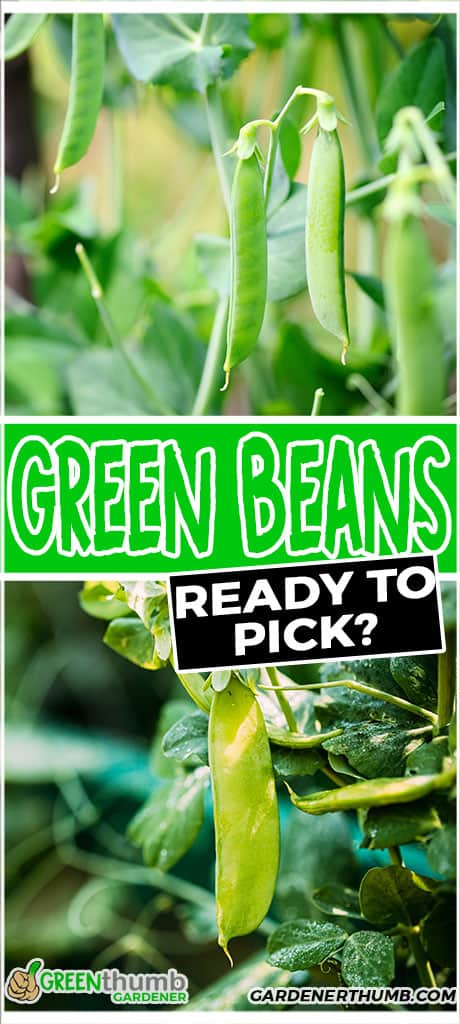
The best time to harvest is while the bean pods are still young and tender. There is no need for a specific length before a bean pod is harvested. Usually, the pods will be different lengths and thicknesses.
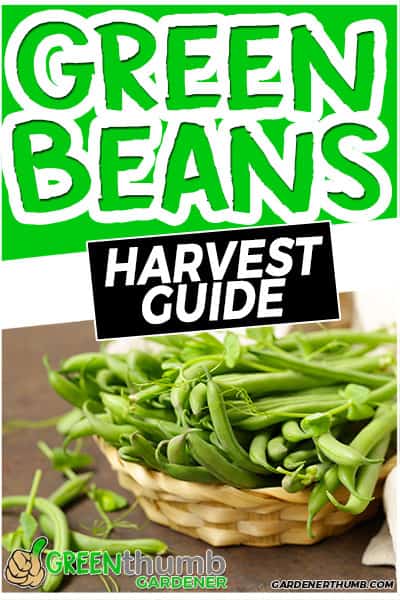
The size of the green bean pods will not affect their taste or flavor.
Before you harvest, you should look for lean bean pods that are firm to the touch, crisp, and have only small bulges. Avoid waiting too long before picking the bean pods because the seeds might already be bulging too much and past their ideal maturity time.
A large bulge means it's already over ripped, very stringy, coarse, and tough; this is applicable to most types of beans.
How To Harvest Green Beans?
When you harvest the mature beans, you will hear a snapping noise when you break them, which means they are perfectly ripe green bean pods. This is why people call green beans as "snap beans".
Harvesting beans is fun and easy, all you have to do is follow these green bean picking tips:
- Harvest the bean pods early in the morning to ensure they at their highest sugar content.
- Hold the top of the bean and look for firm and sizable pods.
- Look for the little stem connecting the bean pod to the main vine.
- Snap off the bean from the stem.
- Place the fresh beans in containers.
When harvesting snap beans, be careful not to break the other branches. This will ensure that they can continue to produce green beans for a long period of time.
The freshly harvested beans can be prepared in a lot of different ways. Cooking beans can be fairly easy, you can blanch them and mix them with other vegetables for a fresh salad.
The bean pods can also be sauteed with butter, carrots, and mushroom for an appetizing side dish.
You can also store the green beans on the kitchen counter after harvesting them with stems on. When you remove the stems make sure you store them in airtight containers and keep them in the refrigerator.
Difference Between Green Beans & Dry Beans
Dry beans are primarily planted for their seeds and have tougher and very fibrous pods that are usually not edible.
On the other hand, green beans are used primarily for their pod, although they also have beans, and its mature beans can also be used for cooking
- Inspect the freshly harvested bean pods for visible fungal diseases, such as bean rust or other soil-borne diseases, then remove them from the healthy pods.
- Look for plant insects like the bean leaf beetle or the Mexican bean beetles that might have mixed with your beans, and make sure you remove them.
Green beans are my favorite plants because they are easy to grow and produce many bean pods. Whatever types of bush bean or pole bean variety you choose to plant, I will undoubtedly have a very productive harvest.
There are also many varieties to choose from; aside from the others mentioned, you can also have french beans, Fava beans, stringless beans, yellow beans, or wax beans.
Planting at the start of spring is always an exciting time for me. I make sure to pick the strongest seedlings and root-out weaker seedlings to ensure the best possible harvest.
It is also important that the seedlings are correctly planted on the ground so they can grow to become mature green bean plants.
Meet Jeremy Starke
I've been growing vegetables since I was 12 — over 30 years in the dirt. I share what actually works in my own Zone 6b garden, and what I wish someone had told me when I started.
Zone 6b · North Carolina · Gardening since age 12 Read My Story →Frequently Asked Questions
Can you pick green beans too early?
Snap beans are usually picked when they are still young and tender, and make sure they "snap" before harvesting them.
Do green beans regrow after picking?
Beans will continue to grow, flower, and produce pods even after picking.
How many green beans do you get from one plant?
On average, one plant can have 20 green bean pods with 6 beans per pod, which would be around 120 green bean harvests.