![Raised Bed Vegetable Gardening For Beginners [Must Read]](/wp-content/uploads/2021/02/raised-bed-vegetable-gardening-for-beginners-00.jpg) Raised Beds
Raised Beds Where should you start?
Raised Beds
The most forgiving way to control soil and drainage — a favorite for first-time growers with yard space.
Containers & Pots
No yard? No problem. Grow real food on a patio, balcony, or porch with the right containers and mix.
Small Spaces
Tight on room? A few smart layout choices go a long way toward a productive garden anyway.
Popular guides to start with

![Growing Vegetables in Pots On Balcony [Beginner Guide]](/wp-content/uploads/2021/01/growing-vegetables-on-pots-in-balcony-00.jpg)
![Best Plants For Container Gardening [Veggie Edition]](/wp-content/uploads/2021/01/best-plants-for-container-gardening-00.jpg)
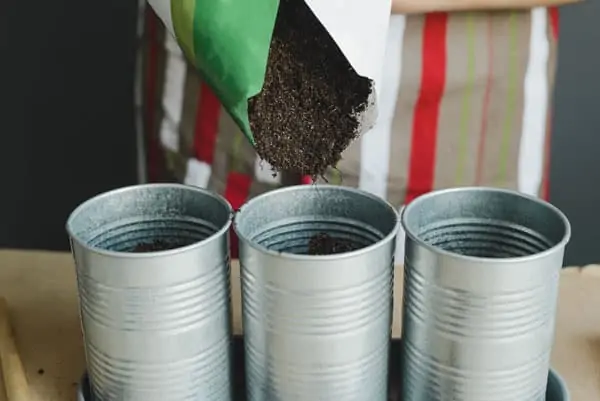
![Vegetable Garden Ideas For Small Spaces [Top Tips]](/wp-content/uploads/2020/11/small-garden-space-ideas-00.jpg)
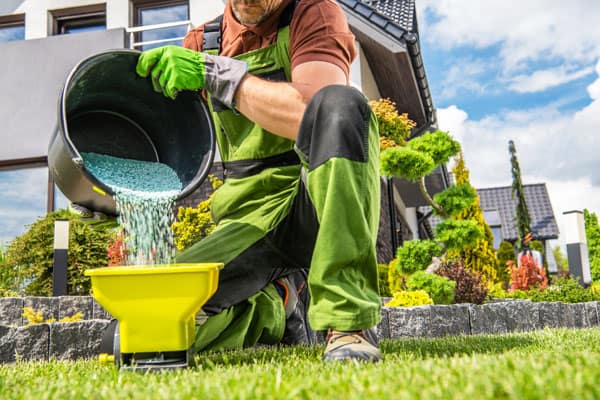
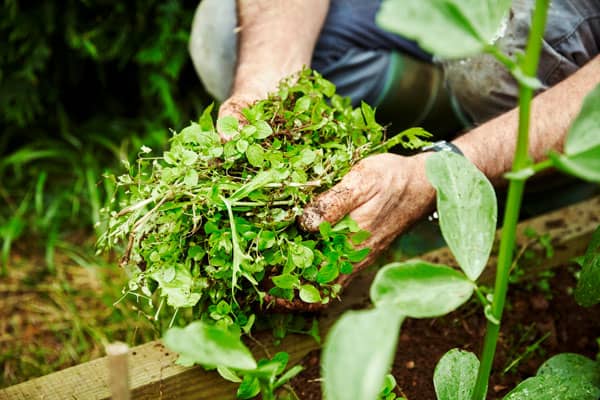
![How Often To Water Seedlings [Beginner Tips]](/wp-content/uploads/2021/06/how-often-to-water-seedlings-00.jpg)
![How To Grow A Small Vegetable Garden [Beginner Guide]](/wp-content/uploads/2021/02/how-to-grow-a-small-vegetable-garden-00.jpg)
Frequently Asked Questions
What is vegetable gardening?
Growing your own vegetables — in the ground, in raised beds, or in containers — instead of buying everything at the store. It covers picking a spot with enough sun, building decent soil, starting from seed or transplants, and keeping plants fed and watered through the season.
What vegetables are easiest to grow for beginners?
Lettuce, radishes, green beans, zucchini, and cherry tomatoes are the classic beginner-friendly picks — fast to germinate, forgiving of mistakes, and productive even in a first-year garden.
Do I need raised beds to grow vegetables?
No. Raised beds make soil and drainage easier to control, but plenty of vegetables do just as well in containers or straight in the ground if the soil is reasonably good and drains well.
How much sun do vegetable gardens need?
Most fruiting vegetables (tomatoes, peppers, squash) want 6-8 hours of direct sun a day. Leafy greens and root vegetables can get by on less, which makes them the better pick for a shadier spot.
What's the difference between container and in-ground vegetable gardening?
Containers give you full control over soil, drainage, and location — ideal for patios, balconies, or renters — but dry out faster and need more frequent watering. In-ground beds hold moisture longer and cost less to set up, but you're working with whatever soil you already have.