12 Vegetables to Plant in Late Summer (That Taste Better in Fall)
Green Thumb Gardener occasionally links to products and services offered by vendors to help with your gardening needs. Some are affiliate links — we earn a small commission if items are purchased, at no cost to you. See our affiliate disclosure.

About the Author: Jeremy Starke
I've been growing vegetables since I was 12 — over 30 years in the dirt. I share what actually works in my own Zone 6b garden, and what I wish someone had told me when I started.
Zone 6b · North Carolina · Gardening since age 12Yes, you can still plant a productive vegetable garden right now. Many growers pack up their tools in August, but late summer is actually your second spring.
I have spent over 30 years growing vegetables at home, and in that time I’ve grown just about everything: some of it beautifully, some of it a complete disaster (we don’t talk about the watermelons). All that trial and error taught me one thing most gardeners miss: planting in August and September gives me some of my best yields of the year.
Cooler autumn days make a massive difference in flavor. As temperatures drop, brassicas and root crops convert starches into sugars, and university extension trials confirm cold-tolerant vegetables have better quality grown in cool weather. You also deal with far fewer pests than you do in June.
This guide covers 12 of the best vegetables to plant right now. You will also learn:
- The exact timing math to beat the first frost.
- Simple tricks to get seeds to germinate, or sprout, in hot soil.
- How to protect your young fall starts.
You do not need a massive yard to get these seeds in the ground. If you have a small container garden or a raised bed, you still have plenty of time to grow a heavy harvest.
The Quick Dirt
- Second spring: 12 crops sown July through September mature into a fall harvest, and most taste sweeter after cold nights.
- Timing rule: first frost date, minus days-to-maturity, minus a 1-2 week “fall factor” for shortening days.
- Hot soil: anything above about 75-80°F blocks germination. Sow deeper, shade the bed, or pre-sprout indoors.
- Frost math: tender crops (beans, zucchini) must finish before frost. Hardy crops (kale, carrots, cabbage) just need a head start.
Carrots: Plant Now, Harvest Sweet Roots Into Winter
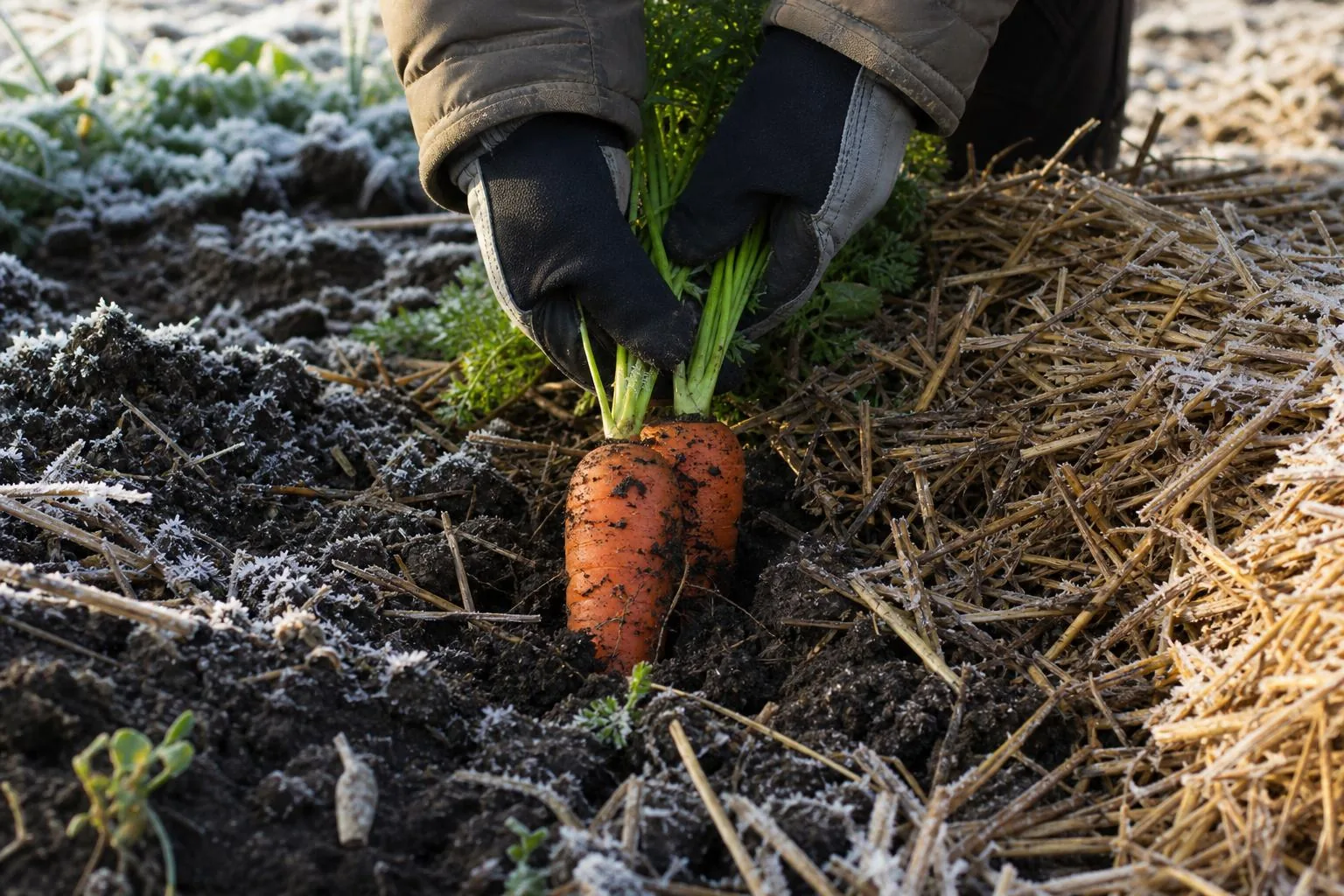
If you think spring is the only time to grow crisp carrots, you are missing out on my favorite harvest of the year. In my garden, sowing carrot seeds in late summer gives me roots that taste far better than anything I pull up in June.
You should sow your seeds between mid-July and mid-August. Carrots need roughly 75 to 90 days once you factor in shorter autumn days. If you use leftover packets, remember that carrot seed loses vigor, its energy to sprout, after about two to three years, so test older seeds first. Short on ground space? Carrots also do fine in deep containers.
Cold weather is your friend because carrots respond to it by concentrating sugars in the root. To harvest through winter, use the soil as a natural root cellar with this method:
- Bend the green tops flat.
- Cover the bed with thick straw mulch.
- Drape frost cloth over the top.
This keeps the soil soft enough to dig roots all winter.
“If you have not had a carrot pulled out of the earth in January you are not living, because they are some of the sweetest, crunchiest, most delicious carrots you will ever have.”
Jenna of Growfully with Jenna, gardening in zone 6a Ohio
Arugula: The Most Forgiving Green You Can Sow in Hot Soil
Most salad greens refuse to sprout when summer heat bakes the dirt, but arugula is the exception. This peppery green made my list because it is the most resilient, fast-growing salad crop you can plant for a fall harvest.
While spinach and lettuce seeds go dormant in warm soil, arugula seeds keep sprouting in soil far warmer than lettuce tolerates (germination tables put most cool-season seeds’ sweet spot near 70°F, and arugula is the forgiving outlier). Once the seeds sprout, you only wait about 40 to 50 days for a mature harvest.
Here is why you should sow arugula seeds in a container or raised bed right now:
- You can harvest tender baby leaves in just 30 days.
- It shrugs off hard frost, which means you can plant it later than almost any other green.
- The summer heat helps it sprout, but the cool autumn air makes the flavor mild and peppery instead of bitter.
Zucchini: Yes, You Can Plant Squash in July
You probably think squash is strictly a spring-planted crop, but late summer is actually the perfect time for a second round. Every July I plant a fresh batch of zucchini seeds to replace my tired, pest-ridden spring plants that are worn out by midsummer.
By July, squash bugs and powdery mildew usually ruin my early spring plantings. I plant these seeds directly into my containers or raised beds for a clean slate, and fast-growing varieties will produce zucchini in roughly 50 to 60 days.
To make the late-season swap work:
- Sow a fast-maturing variety.
- Count backward from your first frost date, adding a ten-day fall factor for shorter autumn days.
- Don’t panic on the first cold night. Developed fruit often rides out an early light frost tucked under the big leaves.
Once the cooler autumn air hits, your new plants will thrive without the heavy insect pressure of early summer.
Bush Beans: One Last Fast Round Before Frost
You do not have to wait until next spring to enjoy fresh green beans. Planting a quick crop of bush beans in late summer is my favorite way to fill empty garden beds in August.
Make sure you choose bush varieties only because pole beans grow too slowly to beat the cold. This is a highly recommended late-season crop among backyard growers who want a quick harvest.
The trick is managing the calendar. Bush beans mature in 45 to 65 days, but even a light frost kills the plants. They are the ultimate “count backward” crop where you must calculate your planting date carefully.
Give this sowing your sunniest spot to offset the shorter autumn days, keep the soil moist until the seeds are up, and pick the pods small and tender.
Kale: Gets Sweeter With Every Frost
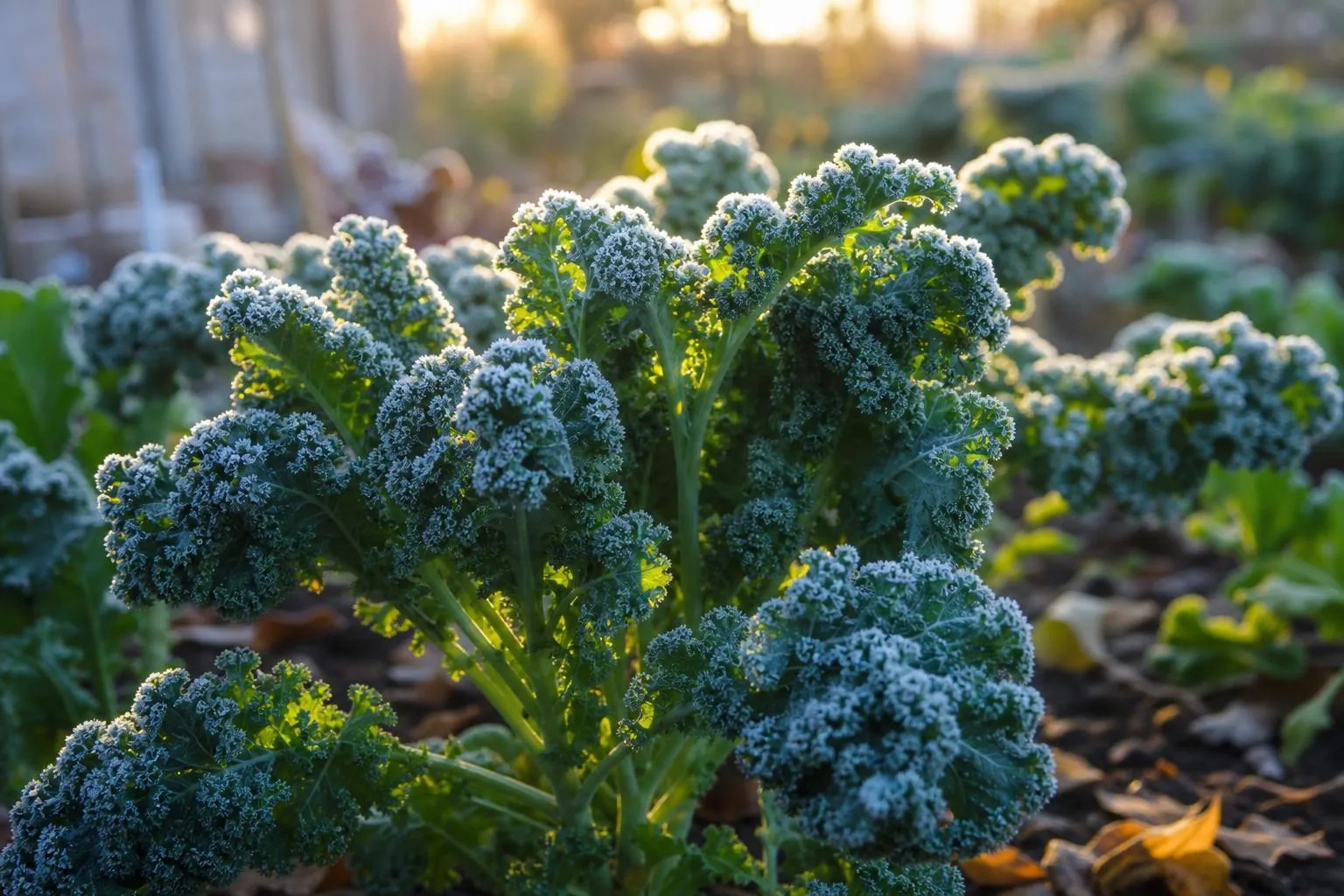
Kale is the backbone of the autumn garden because it actually tastes better after a freeze. I tuck in a late crop of this hardy green every August to enjoy sweet, tender leaves long after other plants have died.
If you have struggled with bitter spring kale, fall-grown crops are the solution. Cold weather triggers a natural sweetening process in the leaves. Kale matures in 40 to 65 days and keeps growing in cool weather, surviving cold down to about 20°F.
I highly recommend planting ‘Black Magic’ lacinato kale for late sowing.
Black Magic Dinosaur Kale Seeds
The improved lacinato bred for cold snaps, with leaves that stretch two feet in a good fall. One packet covers several sowings.
Sow it directly into beds or containers, start picking baby leaves at three to four weeks for salads, and then just leave the plants standing. Kale shrugs off freezes that kill everything around it.
Spinach and Lettuce: Worth Planting, With One Warning
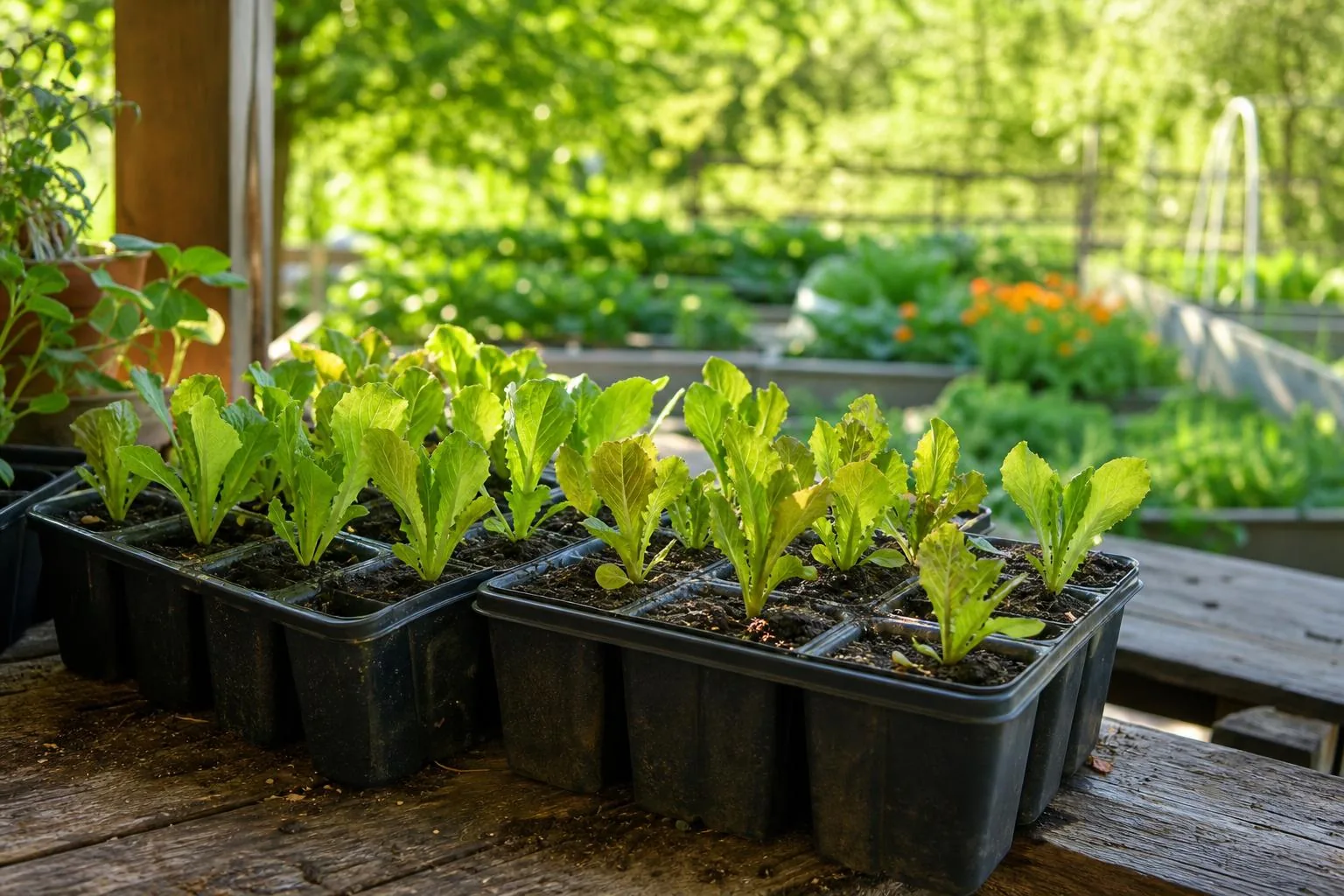
Many gardeners rush to plant spinach and lettuce in late summer only to watch their seeds rot in the warm ground. While these greens are excellent for fall, they made this list because you must bypass their sensitivity to heat to get a harvest.
The big mistake is sowing them directly into hot August dirt. Both crops germinate poorly once soil runs hot, but you can start them indoors under lights where it is cool and transplant them out in August. I do this every year to get an early jump on my salad greens.
If you prefer to direct-sow, wait until the soil cools down. You still have plenty of time because spinach only takes 35 to 45 days to mature, handles light frost, and may even overwinter, which fits well into September.
To keep your outdoor soil cool enough for these seeds:
- Use a 30% shade cloth over the bed to block harsh afternoon sun.
- Check the soil surface daily and water whenever it dries out. Germinating greens can’t recover from a dry spell.
- Choose heat-tolerant lettuce varieties and start them indoors, then transplant once they’re sturdy.
Radishes: The 30-Day Insurance Crop
A packet of radish seeds never leaves my potting bench, because they are my late-summer insurance crop. If you want a quick win, these fast growers go from seed to plate in about a month.
Standard spring radishes take as little as 30 days to mature, and you can keep digging the roots until the soil freezes, so sow a fresh row weekly until about four weeks before your first frost.
Late summer is also your only window for large winter radishes. Varieties like daikon and watermelon radishes need roughly 50 to 90 days, which makes midsummer their essential planting window.
Sow the seeds directly into loose, well-draining soil, keep the bed damp so the roots don’t turn woody, and thin the seedlings early so each root has room to expand.
Beets: Two Crops in One Sowing
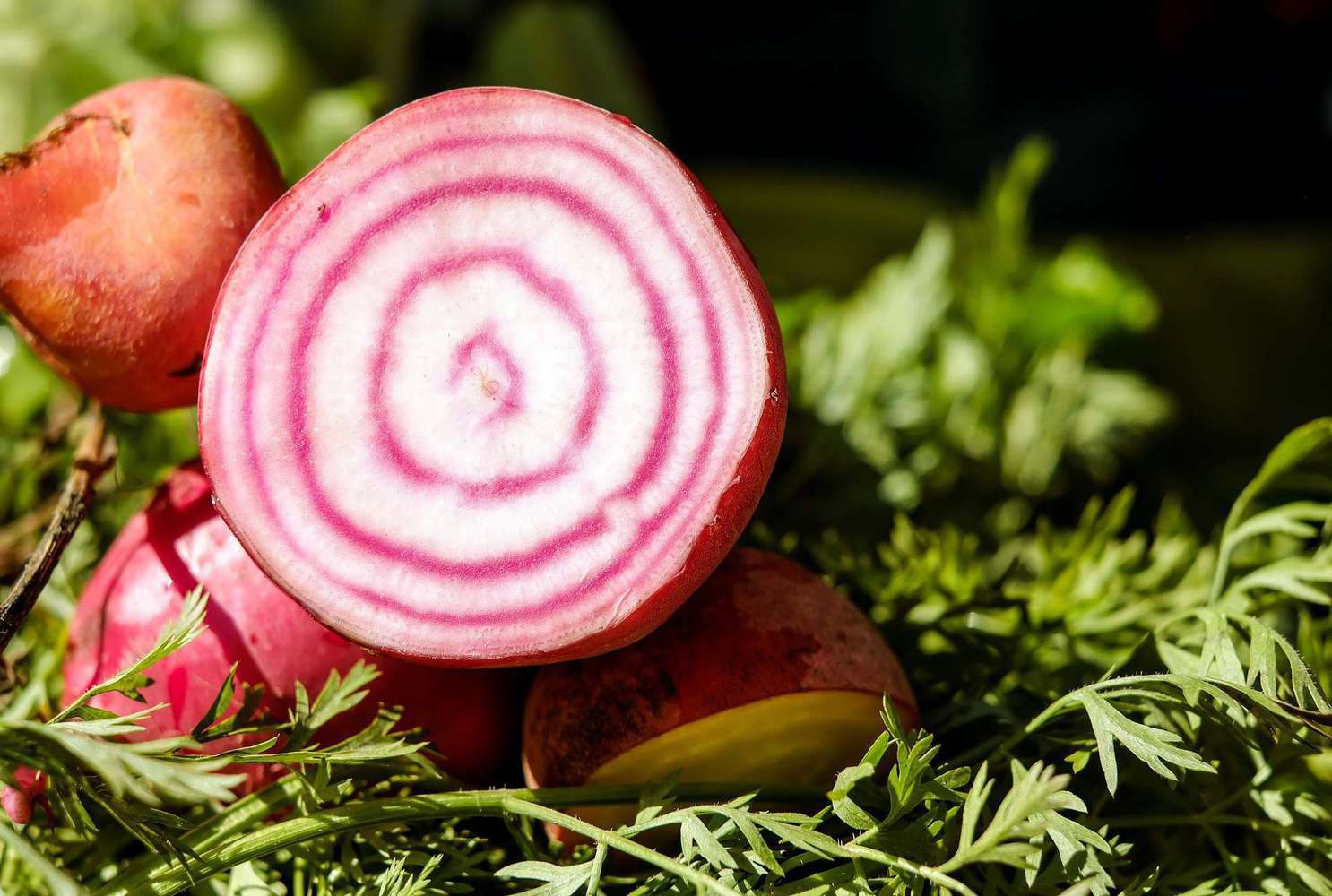
Beets are a fantastic double-duty crop for late-summer planting. You get both leafy greens and sweet roots from a single seed, and they thrive as the autumn weather cools down.
While the roots take 60 to 80 days to mature, you can harvest the greens much sooner. I like to plant my seeds densely and thin them for greens as they grow, tossing the tender baby leaves straight into my fall salads.
The secret to summer beet success is sowing depth. In the hot dry months, sow your seeds about 1 inch deep compared to the shallow half-inch depth we use in spring. Sowing deeper keeps the seeds cool and moist so they can germinate. Don’t worry if you have leftover seeds, because beet seed stays viable for roughly 3 to 5 years.
Turnips: Fast, Underrated, and Less Bitter in Fall
I used to hate turnips because I grew up eating bitter, woody roots. But when you plant them in late summer, they become one of the fastest, sweetest crops in the garden.
These fast roots need only about two months to mature, and they taste much milder when they ripen in cool fall weather. Spring heat makes them spicy and tough, but autumn keeps them tender.
If you are skeptical, I recommend growing a Japanese salad turnip like Hakurei. You can harvest them at the baby stage to eat raw in salads or for quick pickling.
Direct-sow a half-inch deep, water steadily so the roots size up fast, and pull them small. Small turnips are the sweet ones.
Peas: A Fall Crop That Beats Its Spring Version
In my garden, spring peas always feel like a race against the June heat. Fall peas are different. Because they ripen during the cool, crisp days of autumn, they taste noticeably sweeter than spring peas.
Plan for the long haul: fall peas need 70 to 80 days, longer than a spring sowing, though the plants survive temperatures into the high 20s. That means sowing at least two months before your first expected frost.
But growing peas in August requires a different approach than spring planting. While you can sometimes get away with transplanting spring peas, summer-sown peas hate being moved. You must direct-sow your seeds straight into their final home.
Use this summer pea protocol to get them through the heat:
- Soak the seed overnight, or pre-sprout it, before planting.
- Give the row partial shade with a simple shade cloth to keep the soil cool.
- Water shallow and often while the plants are young, then switch to deep, infrequent soaks once they establish.
Cabbage, Broccoli, and Cauliflower: Start These Indoors Now
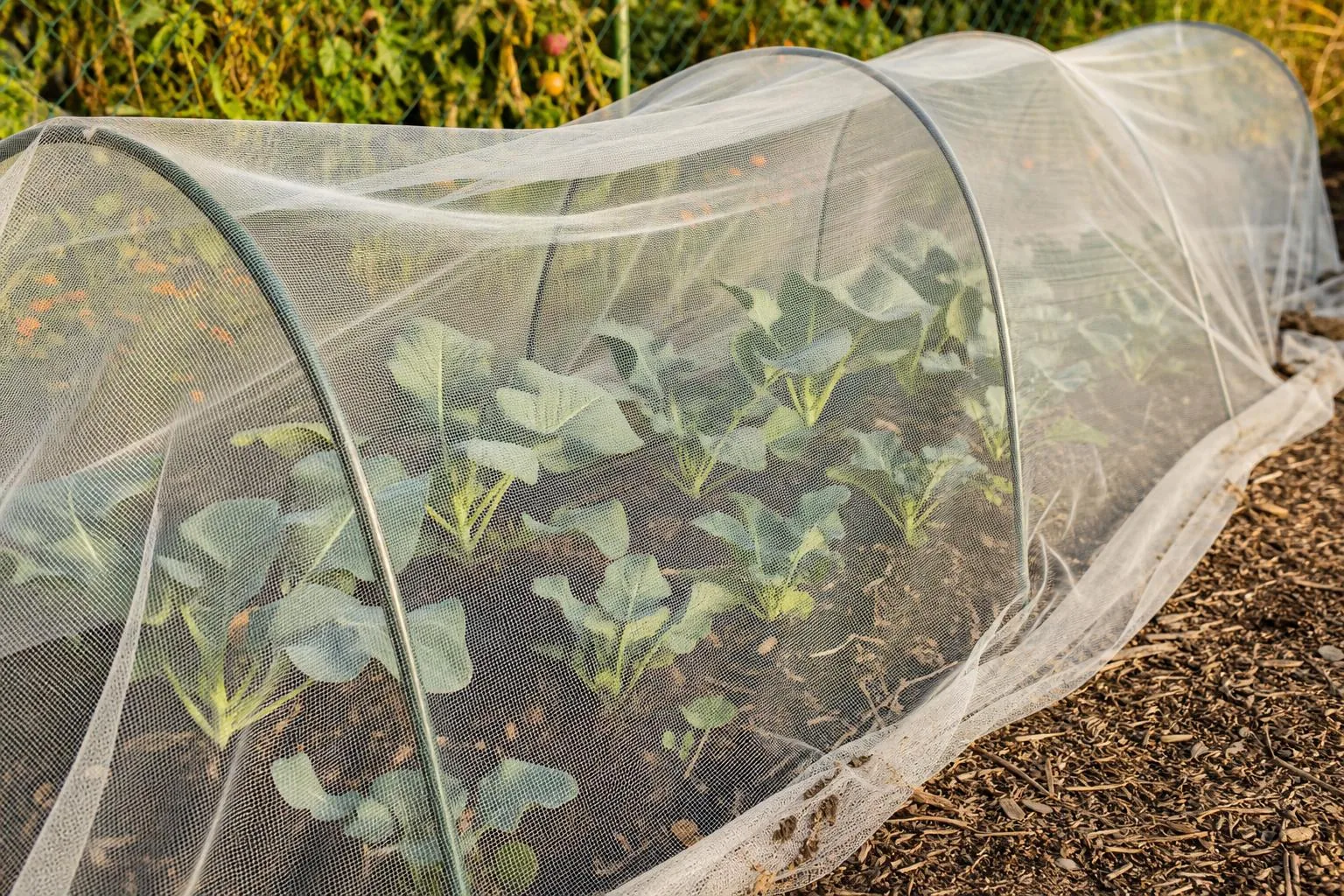
These crops are the anchors of a late-season garden, but they require planning to get right. If your first frost lands in mid-October like mine does, you need to sow seeds indoors during the first week of July so your seedlings are ready to hit the ground in August.
Starting indoors protects young plants from intense summer heat. (New to growing broccoli? The basics carry over. Fall just changes the calendar.) Once you transplant them into your garden or containers in August, provide consistent moisture. I use a soaker hose and a thick layer of mulch to keep the soil cool and the roots happy.
The biggest mistake I see beginners make is leaving young brassicas unprotected. Cabbage moths are active until the first hard frost, and their larvae will destroy your plants overnight. You must cover your patch with insect netting immediately after transplanting to keep the worms away.
If you are tight on space, look for compact varieties like Tiara cabbage, which produce dense 1 to 2-pound heads in containers. For broccoli, I prefer varieties that produce side shoots over a single large crown. Sprouting broccoli is excellent for late planting because it often overwinters and regrows in the spring.
Swiss Chard: The Fall Green That Keeps Going
Swiss chard is a workhorse in my garden. It manages to handle intense summer heat while shrugging off the first few frosts of the year. This biennial crop takes 45 to 70 days to mature, making it one of the most reliable greens you can sow in late summer.
You might be tempted to grow colorful rainbow varieties, but I have learned a trick over the years. The white-stemmed varieties, such as Fordhook Giant, are much more frost-tolerant than their rainbow counterparts.
If you want to keep harvesting into the colder months, use a cut-and-come-again method:
- Harvest the outer leaves as you need them.
- Leave the center of the plant to keep growing.
With a bit of frost cloth or a cold frame, your chard will often stay productive long after your other crops have called it quits for the year.
How to Time Your Late-Summer Planting (and Beat the Heat)
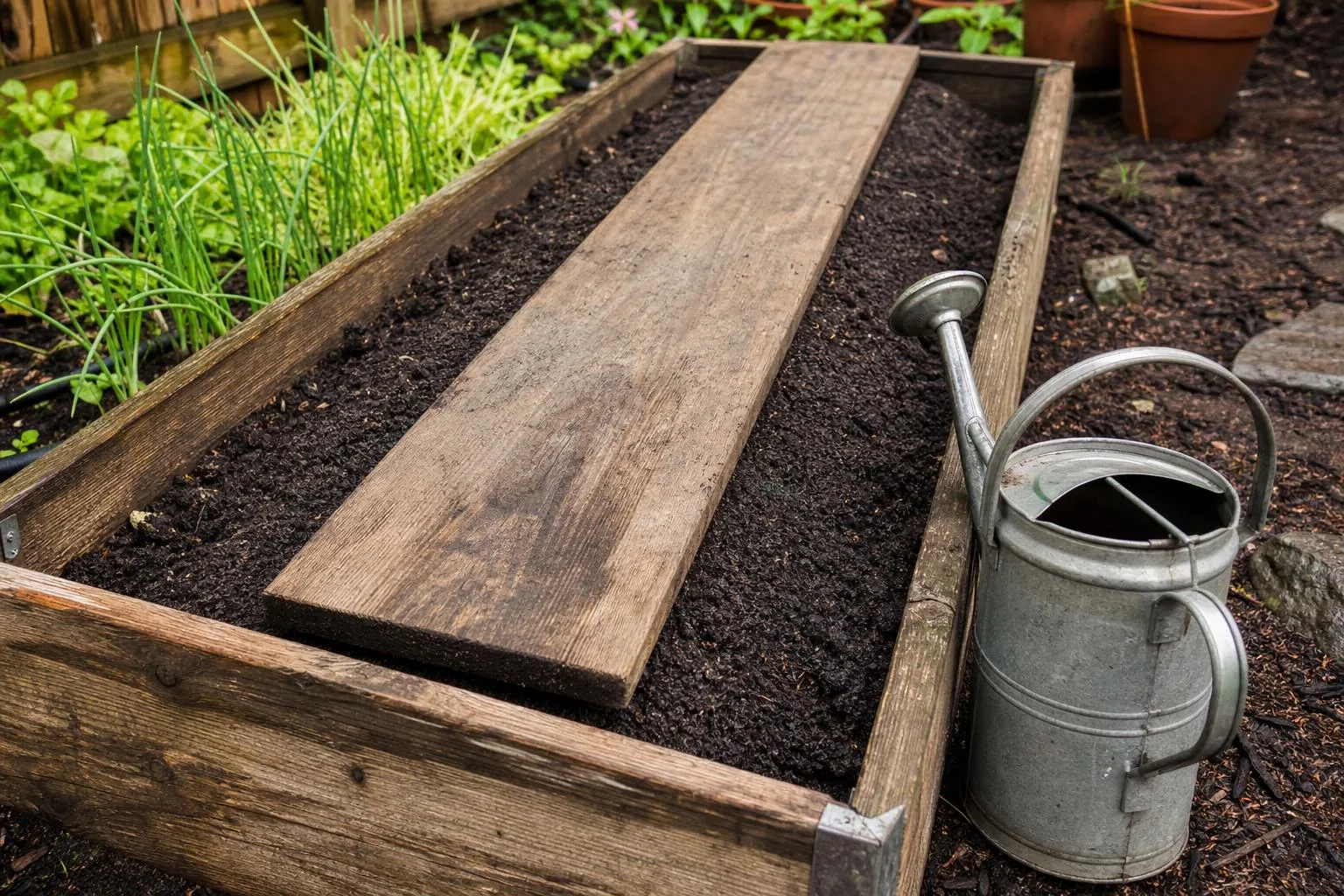
Timing a fall garden is a game of math. You need your vegetables to reach maturity before the first frost kills them, but you also need to manage the high soil temperatures that prevent seeds from sprouting in late summer.
Step 1: Find your first frost date. Use an online tool to look up the average first frost date for your specific zip code. This date is your deadline.
Step 2: Do the backward math. Take the days to maturity listed on your seed packet and add a 1 to 2-week fall factor to account for the slower growth caused by shortening daylight hours. Count backward from your frost date by this total number of days to find your ideal planting window.
If you’re not sure what your soil is working with before a big fall sowing, a basic soil test in July leaves time to amend before planting.
Step 3: Distinguish between crop types. Frost-tender crops like green beans must finish their entire life cycle before that first frost hits. Hardy crops like carrots or kale just need to get established before the cold arrives. They will often continue to grow or sit dormant in the soil through a frost.
If you are struggling to get seeds to germinate in the late summer heat, try these four tricks:
- Sow deeper. Plant your seeds about twice as deep as you would in the spring. This helps them reach cooler, moister soil further down.
- Use the board trick. After sowing your seeds, place a wooden board over the row. This shades the soil and prevents moisture evaporation. Check the soil daily and remove the board the moment you see the first green sprout appear.
- Install shade cloth. Use a 30 to 50 percent shade cloth over your beds to lower the ambient temperature. Be careful not to leave this on too long once temperatures drop, or your plants will get too lanky.
- Pre-sprout your seeds. Lay your seeds on a damp paper towel inside a plastic bag in a cool spot for a few days. Once you see a tiny root tip emerge, carefully plant them in the ground. This doubles as a viability test to make sure your seeds are alive.
Germination tables show most vegetable seeds sprout best near 70°F; hold soil above 75 to 80°F and many cool-season crops will fail entirely. Using these tricks helps you bypass that heat barrier and get your fall harvest off to a strong start.
Late Summer Planting FAQ
Is it too late to plant in August or September?
It is not too late if you pick crops with short days-to-maturity. Fast-growing vegetables like radishes, mustard greens, and leaf lettuce mature in 30 to 60 days, fast enough to beat the cold. Account for slower growth caused by shorter daylight hours and you can successfully sow 30 to 50-day crops well into late summer.
How do I find my first frost date?
Use the interactive freeze-date map from Purdue’s Midwestern Regional Climate Center (it covers the whole US) or your local extension office’s frost tables. This date is your target deadline. Once you have it, count backward to determine when you need to sow seeds so they mature before the temperatures drop.
Can I grow a fall garden in containers?
Yes. Containers are often easier to manage in late summer because you control the water, sun, and soil mix, and even cabbage and broccoli work in pots. Use a moisture-retentive potting mix and choose compact, dwarf varieties of brassicas or greens to ensure your plants have enough root space.
Which crops survive frost?
Vegetables fall into three frost categories:
- Tender: Green beans and zucchini will die at the first sign of frost.
- Light-frost hardy: Lettuce and spinach handle a light freeze.
- Hard-frost hardy: Kale, carrots, and turnips survive deep freezes and often taste better after exposure to the cold.
Why won’t my seeds germinate in summer?
Seeds often fail to germinate because soil temperatures above 75 to 80°F stall cool-season seeds. Most vegetable seeds sprout best around 70°F. To get around it:
- Use the board trick to shade the soil.
- Sow seeds slightly deeper to reach cooler earth.
- Pre-sprout seeds on a damp paper towel indoors before planting.
Sources
Crop timing, frost hardiness, and days-to-maturity figures: University of Minnesota Extension, “Planting vegetables in midsummer for fall harvest” (reviewed 2026). Seed germination temperatures: Oregon State University Extension, “Soil temperature conditions for vegetable seed germination.” Frost dates: Midwestern Regional Climate Center (Purdue University). Overwintering and summer-sowing techniques: Jenna of Growfully with Jenna (zone 6a Ohio) and Linda Ly of Garden Betty. Gardener consensus: r/vegetablegardening.
Meet Jeremy Starke
I've been growing vegetables since I was 12 — over 30 years in the dirt. I share what actually works in my own Zone 6b garden, and what I wish someone had told me when I started.
Zone 6b · North Carolina · Gardening since age 12 Read My Story →Frequently Asked Questions
Is it too late to plant vegetables in August or September?
No, if you pick short-season crops. Radishes, arugula, spinach, and mustard greens mature in 30-50 days and can be sown well into late summer. Add one to two weeks to seed-packet maturity times for the shorter fall days.
How do I find my first frost date?
Use the Midwestern Regional Climate Center's freeze-date map or your local extension office's frost tables. Count backward from that date by each crop's days to maturity, plus a 1-2 week fall factor, to get your planting deadline.
Can I grow a fall garden in containers?
Yes. Containers let you control water, sun, and soil mix, and even cabbage and broccoli work in pots. Use compact varieties and a moisture-retentive potting mix.
Which fall crops survive frost?
Kale, carrots, cabbage, turnips, and radishes handle hard frosts and often taste sweeter after them. Lettuce, spinach, and peas tolerate light frost. Green beans, zucchini, and basil die at the first freeze.
Why won't my seeds germinate in summer?
Soil above roughly 75-80°F stalls cool-season seeds; most germinate best near 70°F. Sow twice as deep as spring, shade the bed, or pre-sprout seeds indoors on a damp paper towel.