When Do I Put My Seedlings Under LIGHT?

About the Author: Jeremy Starke
I've been growing vegetables since I was 12 — over 30 years in the dirt. I share what actually works in my own Zone 6b garden, and what I wish someone had told me when I started.
Zone 6b · North Carolina · Gardening since age 12Adequate knowledge is needed for starting seeds indoors. The more you know or are able to apply to your gardening, the best your plants turn out at the end of the day.
Like you, when I just started indoor seed starting, I also had a lot of questions to ask, like “when do I put my seedlings under light” or “how far my seeds should be from the LED”.
I was particularly keen on getting satisfactory answers to these questions to prevent my plants from dying.
So, to help you, I’ll be providing all the answers you want and need in making your first experience with indoor seed starting a very easy one (maybe even better than the one I had).
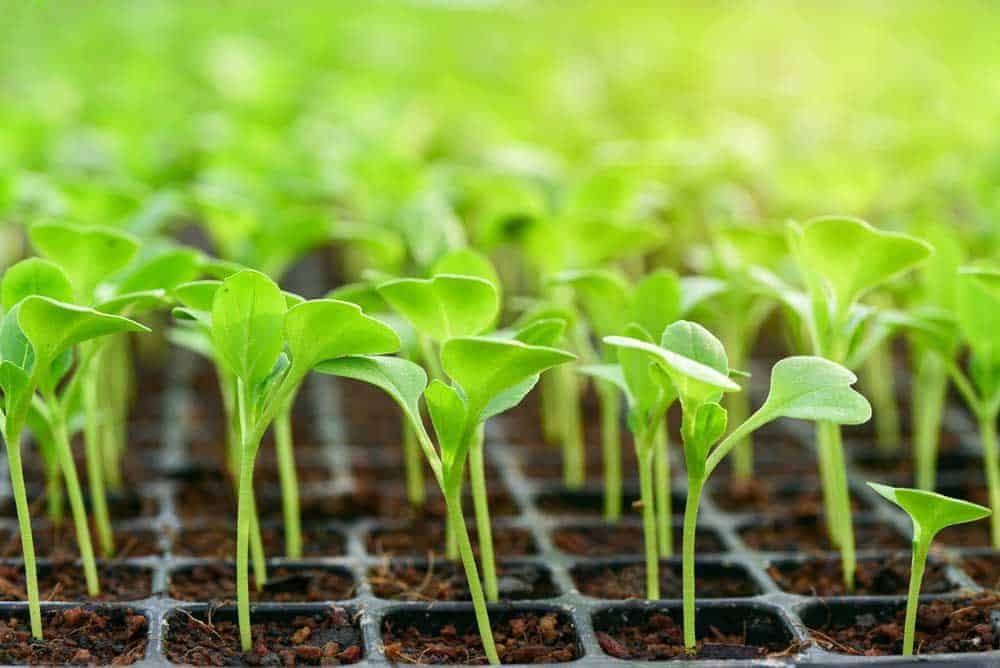
You’re thinking of starting seeds in your house and don’t want them to grow weak leggy stems. Our solid advice for you to do would be to put them under grow lights once you notice the first few sprouts.
Placing your trays or pots by your window to catch the sun is a good idea. However, it is not a great one.
Your seedlings need plenty of energy but won’t be able to get that if you place them beside your windows.
Artificial lights are the best option for indoor seed starting. You want them to flourish after they start germinating, then you need to place them under LED or fluorescent lights.
What Does It Take To Start My Seed Indoors?
Indoor seed starting can be time-consuming because it requires a great deal of attention and dedication.
However, if you ponder on the benefits of breeding from the ground up, you’ll realize that it’s all worth it in the end.
Doing everything exactly how it should be done ensures that your seeds grow into the plants you want and can always admire.
Truth be told, a considerable amount of your money may go into starting seeds. Most of the cost is upfront for some equipment such as containers, trays, lights, and soil medium.
You might look to spend about $50-$150 dollars depending on the lighting you choose.
But whatever you spend is actually a sacrifice to make things right. It also guarantees perfect results in the long run.
You can cut your costs down to what you can easily afford if you think it’s going to be too much for you. This way, you make things work for yourself as well as for your plants.
Many people don’t know this, but every little detail matters when seed starting. It’s not just about planting and gardening alone.
You want to be sure each of the processes is done correctly, for beautiful and sprightly plants like those you may have seen at a friend’s or at the garden center where you got your seeds from.
Let’s talk about when it is the right time to give your seedlings light…
When To Give Your Seedlings Light
When your seeds have started to sprout is the most ideal time to give them some light.
Light is as important as food is to human growth and development for plants. Let me repeat that, it is vital…
We don’t have to go into the phototropism or photosynthesis jargon right now, but I think it’ll be right to simply say it is food for plants.
Just as we humans need food for our survival and strength, so also do your seedlings need light. The energy derived is what they then convert into all the chemical energy they use for their growth.
Learn More: 12 Best Led Grow Lights for Vegetables
Giving your seedlings light should be as early as possible. Even before starting seeds, you need to have gotten a good light to use.
Once they start sprouting from the soil, they will need adequate light for the development of strong and healthy stems. You definitely want them to flourish well, so pay close attention to your trays until you notice the first sprouts.
- 400w – 13″to 20″
- 600w – 15″to 25″
- 1000w – 20″to 30″
Why Is It Better To Use Grow Light When Growing Indoors?
Like I said earlier, using grow light is the best option if you are thinking of seed starting at home.
You may have large windows that freely allow the rays from the sun into the house, however, the energy they get in that position may not be enough for your seedling.
They will actually find it quite difficult to catch the rays. But artificial rays can work in place of the sun.
It is even the best option if you want your sprouts to develop strong stems and form beautiful canopies.
Naturally, the more energy your seedlings get, the higher the yield.
LEARN MORE: How To Start Seeds In A Paper Towel | Step by Step Guide
Final Thoughts
Every detail provided to you with is important during this crucial stage of growing seeds.
Instead of worrying about asking the question, “When do I put my seedling under the light?” you now know that as soon as your seedlings start shooting from the soil you should give them their food.
Don’t starve them. It is exceedingly important if you want them to grow strong and healthy.
Meet Jeremy Starke
I've been growing vegetables since I was 12 — over 30 years in the dirt. I share what actually works in my own Zone 6b garden, and what I wish someone had told me when I started.
Zone 6b · North Carolina · Gardening since age 12 Read My Story →Frequently Asked Questions
When should you put seedlings under light?
The moment they sprout above the soil. Seeds don't need light to germinate, but once the first shoots appear they need bright light immediately to avoid getting leggy.
How much light do seedlings need?
About 14 to 16 hours a day under a grow light. Strong light from the start keeps seedlings stocky instead of stretched and weak.
How close should grow lights be to seedlings?
Just a few inches above the seedlings, raising the light as they grow. Light that's too far away makes them stretch toward it and flop over.