Best Insecticide For Vegetable Garden
Green Thumb Gardener occasionally links to products and services offered by vendors to help with your gardening needs. Some are affiliate links — we earn a small commission if items are purchased, at no cost to you. See our affiliate disclosure.


About the Author: Jeremy Starke
I've been growing vegetables since I was 12 — over 30 years in the dirt. I share what actually works in my own Zone 6b garden, and what I wish someone had told me when I started.
Zone 6b · North Carolina · Gardening since age 12Last Updated 09/16/20
Insects can be the most annoying pests if nothing is done to prevent their infestation. This is why you'd need the best insecticide for a vegetable garden to actively protect your plants from the seriously destructive tiny little monsters.
In this article are some of the best insecticides you can use. Let’s dig right into a review of the products.
Scroll down further to check out our buyer’s guide.
Best Insecticide For Vegetable Garden
| Image | Product | Features | Price |
|---|---|---|---|
GREEN THUMB  | Bonide Captain Jack’s Neem Max |
| Check Current Price |
TRUSTED BRAND 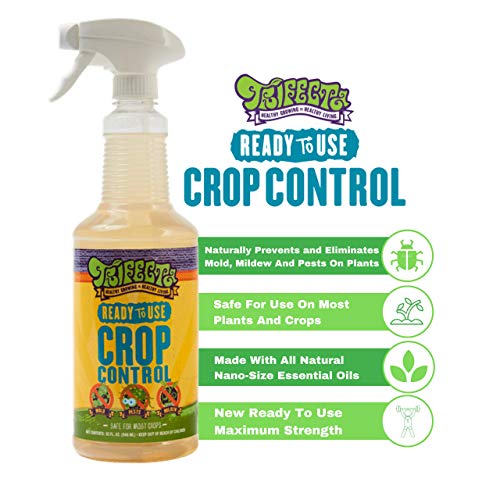 | Trifecta Crop Insecticide |
| Check Current Price |
BEST VALUE 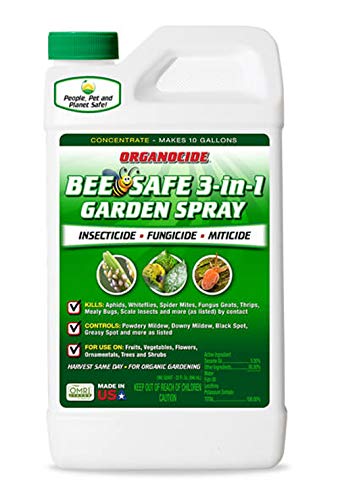 | Organic Laboratories Spray |
| Check Current Price |
SOLD OPTION 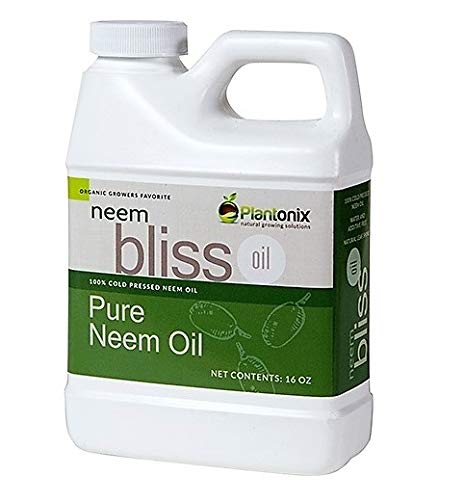 | Organic Neem Bliss Pure Cold Pressed |
| Check Current Price |
COMPLETE SYSTEM 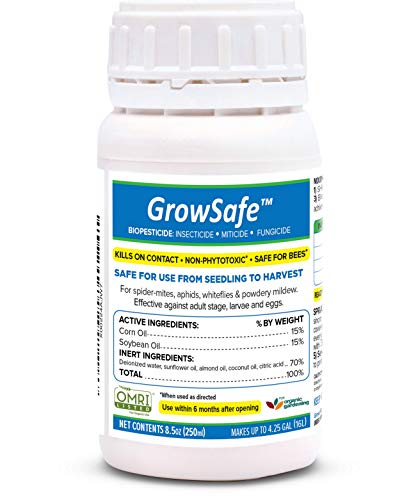 | AgroMagen (GS420), Insecticide |
| Check Current Price |
EASE OF USE 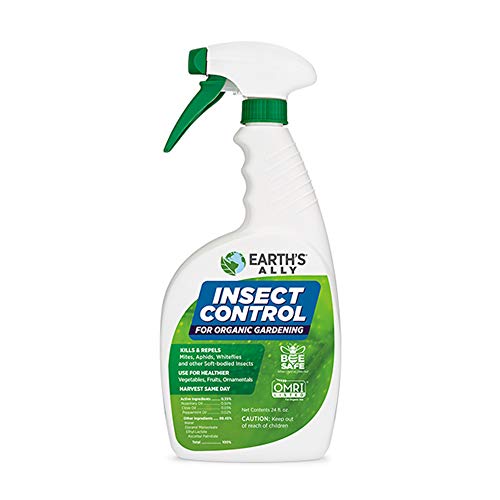 | Earth’s Ally Insect Spray |
| Check Current Price |
BEST CHOICE  | Bonide Captain Jack's Insecticidal Super Soap |
| Check Current Price |
HIGH RATINGS 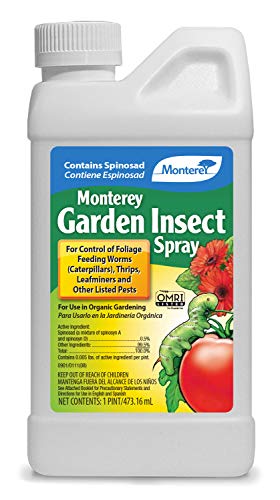 | Monterey LG6150 Insect Spray |
| Check Current Price |
MAX OPTIONS  | Bayer Advanced 701521 Spray |
| Check Current Price |
BUDGET OPTION  | Sevin Ready-to-Use 5% Dust 3 Pack |
| Check Current Price |
BRAND LEADER  | Scotts 1600710 Bug B Gon Insect Killer |
| Check Current Price |
EFFICIENT 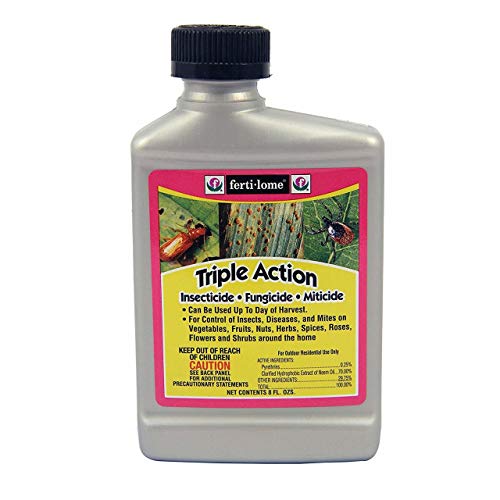 | Fertilome Insecticide, |
| Check Current Price |
Insecticide For Vegetable Garden Reviews
Bonide Captain Jack’s Neem Max
A cold-pressed neem oil concentrate that works as insecticide, fungicide, and miticide in one — hitting eggs, larvae, and adults.
OMRI-listed for organic gardens, and a little makes gallons.
Pros
- Three-in-one: bugs, mites, and fungus
- OMRI-listed for organic growing
- Concentrate stretches a long way
Cons
- Mix fresh and spray at dusk to avoid leaf burn
- Strong odor when mixing
Trifecta Crop Control Ready to Use Maximum Strength Natural Insecticide
Trifecta Natural Insecticide is another handy pest control tool that you can use against those annoying insects ravaging your vegetable garden.
Trifecta Natural Insecticide is all-natural. It's made from a number of strong essential oils (like peppermint oils, garlic oils, and clove oils), and broken down into nano-sized quantities to guarantee effective results after application.
This product is a great tool for eliminating insects, mites, and other devilish tiny pests you might have in your garden. Trifecta Natural Insecticide, like Neem Oil Spray, can also be used to prevent mold, powdery mildew, and any other fungal and parasitic diseases that your plants can be suffering from.
Trifecta can be used on all plant types, which is why they're practically perfect for use in your vegetable garden.
What this Insecticide does is to strengthen the defense system of your plants to fight the pests and diseases that may be threatening them.
To use this product, properly mix with water and spray over all the affected areas.
You might want to avoid over spraying this product on your plants, too. Excess use can significantly damage your plants.
Pros
- Ready to use.
- Fully organic and safe for use in your vegetable garden
- Small, portable, and great for indoor farmers with limited farming space
- Can be used on virtually all plant types
Cons
- Overuse can affect plants adversely
- Has to be applied continuously
Organic Laboratories 100-021 Lab QT Organocide 3-in-1 Garden Spray
One of the reasons people fear using insecticides on their garden plants is because they contain powerful ingredients that can kill the beneficial insects, like bees (responsible for pollinating tomatoes and your other delicious vegetables) and ladybugs (pest eating insects), on their farm.
However, Organic Lab Garden Spray is a bee-friendly insecticide. It can kill other insects like mites, aphids, whiteflies, and worms and leave your bees alone to do their pollination job.
It can have lasting effects on those evil insects trying to oust you from your farm.
Like the previously reviewed products, Organic Lab Garden Spray is also a 3-in-1 pest control tool. It's capable of destroying insects, mites, and fungi species.
Organic Lab Garden Spray is OMRI (Organic Materials Review Institute) listed for organic use and EPA (Environmental Protection Agency) exempted. It's said to pose no risks to the environment and can be used on a number of plant types.
Pros
- A nature-safe product for use on your vegetables
- Can have lasting effects on pests after use.
- OMRI Listed & EPA Exempted.
- A 3-in-1 pest control tool.
Cons
- Has a strong offensive odor
- Overuse has the potential of completely killing your plants
Organic Neem Bliss 100% Pure Cold Pressed Neem Seed Oil
Neem Bliss is another neem-based insecticide that you can use on your vegetable garden to hit those sap-sucking little pests with the strapping blow they can never survive.
Neem oil is one of the insecticide materials scientists highly recommend for use in vegetable gardens. This is because it's organic, virtually non-toxic, and highly effective in killing the insects that might develop on your farm.
Neem oil's active ingredient is azadirachtin, a highly-effective substance that can kill immature insects upon contact. This substance also interferes with the hormonal system of the insects and causes them not to be able to feed well and lay eggs as they should.
Neem Bliss, unlike Neem Oil Spray, is a unique brand of insecticide that contains 100% cold-pressed neem oil and is free of toxic chemicals that heighten its level of toxicity
Pros
- This product is OMRI listed for organic use.
- Made with 100% neem oil. No chemical additives.
- Effective in reducing non-beneficial insect infestations.
Cons
- Requires continuous application for effective eradication pests on your farm
- Has an intolerable smell
- Avoid contact with skin
AgroMagen (GS420), GrowSafe Bio-Pesticide, Natural Insecticide
AgroMagen Natural Insecticide is another wonderful pest control tool you can use.
This product has been designed, specifically, to effect two actions after application on your plants. First, it creates a shiny protective layer to form a sort of defense against pests for the plants.
This can last up to seven days and can be highly effective in reducing high insect-like pests infestations.
Second, this special insecticide contains a strong chemical that works in keeping insects far away from your garden.
This insecticide has been confirmed to be less toxic than milk. It is made up of naturally sourced food-grade ingredients that immediately kills insects on contact.
AgroMagen Natural Insecticide is OMRI listed safe for use. The product is eco-friendly, too.
Pros
- Less toxic
- Contains all-natural food-grade ingredients
- Kills insects on contact
- Safe for beneficial insects in your garden
- Repels insects effectively
Cons
- Residual effects not so long lasting
- Has to be used multiple times for effective pests elimination
Earth's Ally Insect Control Spray
If protecting the earth is your thing, then Earth’s Alley Insect Control Spray will help you in your cause.
It does the job of repelling insects such as spider mites, aphids, and the dreaded white flies. This insecticide spray will also control mealybugs, leaf rollers, and scale.
It is safe and will not harm your plants while using it as its main ingredient is Rosemary oil, so you can have some comfort in that.
It even smells much better than some other natural products out there.
Pros
- Smells amazing
- Contains all-natural food-grade ingredients
- Organic Garden Certified
- Safe for beneficial insects in your garden
Cons
- Must be applied in early morning or evening times
- Must reapply after rain
Bonide Captain Jack’s Insecticidal Super Soap
A ready-to-use soap spray combined with pyrethrin, so it smothers soft-bodied pests and knocks down the ones plain soap misses.
No mixing — just shake and spray.
Pros
- Soap + pyrethrin double action
- Ready to use, no mixing
- OMRI-listed for organic use
Cons
- Contact killer — cover both leaf sides
- Reapply after rain
Monterey LG6150 Garden Insect Spray
Monterey Garden insect Spray is a fast acting insecticide that is also odorless. It has a variety of insects that it controls.
Some of them include caterpillars, leafminers, codling moth, tent caterpillars, gypsy moth, trips, borers, and fire ants.
This is a spray application insecticide that can be used in a hand-held or backpack sprayer for ease of use.
Perfect option for fruiting trees to help control some tip-boring larvae and can help suppress fruit flies.
Pros
- Easy Application
- Organic Safe
- Safe for pets
Cons
- May need more than one application
- Results vary with controlling certain types of ants
Bayer Advanced 701521 Vegetable and Garden Insect Spray Concentrate
Bayer Advanced vegetable and garden insecticide is definitely my go to for controlling Japanese beetles that get out of control each year. It really is one of the only options that really works.
That being said, it really controls a boat load of insects for your edible plants. It is safe to use up until the day of harvest, but really give your edible plants a good washing.
This really is the last option if you don’t have any safer insecticides to use. Be aware that it is not safe for bees, so avoid it on blooming plants.
Pros
- Dry within 1 hour
- Kills insects on contact
- Repels insects effectively
Cons
- Not for use on corn
- Not bee safe
Sevin Ready-to-Use 5% Dust 3 Pack
Here is another go to when nothing seems to work. This is my go to during that crucial time frame when growing squash in the early spring.
We only apply this very early on before any blooming stage along with some other techniques to keep our squash from being devoured when the borders hatch.
It is applied as dust, so you also need an applicator to apply it evenly. You can use the can as a shaker, but it does better using the applicator. Sevin is a powerful insecticide that also rids your vegetable plants of over 65 pests.
Just be aware that it is not bee safe when applied on flowering plants, so try to avoid dusting any budding plants.
Pros
- Go to for Squash Borers
- Repels insects effectively
- Kills over 65 insect pests
Cons
- Must be reapplied after rain
- Not bee safe
Scotts Company 1600710 Bug B Gon Garden Insect Killer
Scotts Bug B gon insecticide is definitely a more recognized conventional product. It does a fair job at controlling bugs, but is my least favorite product of these 12.
Typically, you can find this spray everywhere as Scotts is a big brand product, but it doesn’t find its way into our garden.
However, it does work and does the job. This might be a solution that would be a third option if all organic options did not control well.
We have a problem with leaf miners sometimes and this would help if we did not get neem oil down in time. Don’t count it out, but just don’t rely on this exclusively if you try to be more organic.
Pros
- Control over 100 insect pests
- Kills insects almost instantly
- Less residue smell that other conventional insect sprays
- Repels insects effectively
Cons
- Not bee safe
- Sprayer is not great quality
Fertilome Triple Action: Insecticide, Fungicide and Miticide - 1/2 Pint
Fertilome triple action insecticide is also a useful fungicide and miticide. You can use this on edible plants as well as roses, flowers, and shrubs that need some insect control.
The triple action does its job by flushing insect pests out of hiding and into direct contact with spray residues.
Some of the insects that it controls include aphids, spider mites, scale, mealybugs, weevils, tent caterpillars, whiteflies, & many others.
Iti is a concentrate so you can use this in many applicators like hand-pump sprayers or back sprayers if you have a lot of ground to cover.
Pros
- Very quick control
- Reapply only every 14 days
- Complete Control
- Can be used up to day of harvest
Cons
- May need to be reapplied
How to Choose The Best Insecticides for Vegetable Garden?
Insecticides can be one of the most effective tools to use in preventing and removing annoying non-beneficial insects from your garden.

However, by their formation, these things can also be toxic as well, especially to the beautiful veggies you grow.
These insecticides, if proper care is not taken to minimize the risks they pose, can affect not only your plants but the surrounding environment, too.
This is why you need to take your time to choose the most effective product and most suitable one you can find for your vegetables.
Unfortunately, there are too many brands of insecticides out there now, and this makes it a lot more difficult for indoor gardeners, like you, to choose the most suitable type with the appropriate specifications and direction of use for your winning vegetables.
Well, that's why I'm here to help with all the information you'd need on these insecticides to make the right decision.
Below are some of the boxes you can check before selecting an insecticide for your vegetable garden:
1. Identify the insect type: there are a lot of different insects that ravage plants and destroy farmers' hopes. Knowing the particular type in your garden and what they are capable of will help to choose the best insecticide you can use to kill them all.
2. Type of plant grown: the type of plant you grow can also determine the type of insecticide you might choose for your garden.
Since you're growing veggies, you might want to be careful about the contents of your insecticide. Going for safe and less toxic substances will prevent any sort of chemical damage on your plants as well as on your growing area.
3. Make a decision on how much you can tolerate: some insects like spider mites, aphids, worms, et cetera, can be a bit difficult to eradicate from a deeply infested farm. Even with the most effective product, it can take longer than expected for your plants to be saved from those unrepentant fluid-sucking monsters.
So, find out how much these things have penetrated into your garden and also make a decision on the measure of their activities you can tolerate before going ahead to make a purchase.
4. Treatment area: the treatment area in your garden is also another thing to consider before going for any insecticide at all. You want to know how deeply infested your farm is before applying any insecticide on it.
5. Research about insecticides and their ingredients: before you even go for any insecticides in the market, you must be sure it doesn't contain any toxic chemicals that will damage your plants after single or repeated use.
This is why you'd want to research the type of ingredients that generally make up insecticides; the toxic and less toxic, for you to be able to make the best decision.
Using the Insecticides in Your Vegetable Garden?
To ensure the insecticide you use on your garden works effectively, as you'd want it to, there are a few things you might want to do prior to, during, and after usage.
Following the proper procedure for applying insecticides will ensure your body and plants are safe from the adverse effects the constituents of these insecticides have on your plants.
Before Application
- Read product labels properly for precautions and other necessary information you'd need.
- Use your protective gear (gloves, masks, etc.,) to prevent the absorption of toxic chemicals into your body.
- Following available instructions, mix the insecticide with water, and/or other recommended substances.
While Applying
- Mix the quantity you need alone.
- Spray insecticides directly on the affected area in your garden.
- Do not over spray your plant chemicals as it can negatively affect the growth of your veggies.
- Make sure to use all. No leftovers.
After Use
- Clean the personal protective equipment you used.
- Store original insecticide (not the diluted one) in a cool, safe space for next use.
Final Thoughts
Insects can be a valuable part of our garden system, especially when you think of the huge roles bees and ladybugs play in the growth and protection of our veggies.
However, there are also other insects, dangerous sap-sucking little devils, who are capable of completely destroying our beautiful gardens.
But, you're not going to allow them to win!
Now that you know the things to do and the products to purchase in the market, you can now deal these pests with the same destructive blow your plants have been suffering from so far.
So, good luck and have fun doing that!

Meet Jeremy Starke
I've been growing vegetables since I was 12 — over 30 years in the dirt. I share what actually works in my own Zone 6b garden, and what I wish someone had told me when I started.
Zone 6b · North Carolina · Gardening since age 12 Read My Story →Frequently Asked Questions
What is the safest insecticide for a vegetable garden?
Neem oil and insecticidal soap are among the safest, breaking down quickly and sparing most beneficial insects when used as directed.
When should you spray insecticide on vegetables?
Spray in early morning or evening when bees aren't active and the sun won't scorch wet leaves. Always check the label's pre-harvest interval before picking.
Does neem oil work on garden pests?
Yes. Neem disrupts feeding and breeding in aphids, whiteflies, and mites, and works best applied every 7 to 14 days until the problem clears.